OpenAIAvailable
API
OpenAI adds standby mode for GPT-Live WebRTC sessions
OpenAI now supports standby configuration for GPT-Live WebRTC sessions, pausing model inference during inactivity and resuming when someone speaks.
Loading launches from 4 labs
Topic
Money, payments, wallets and financial work
OpenAI now supports standby configuration for GPT-Live WebRTC sessions, pausing model inference during inactivity and resuming when someone speaks.
OpenAI released GPT-Live-1.1 on its API, updating its live voice model with better pronunciation, accent consistency, and transcription across multilingual conversations.
 GoogleAvailable
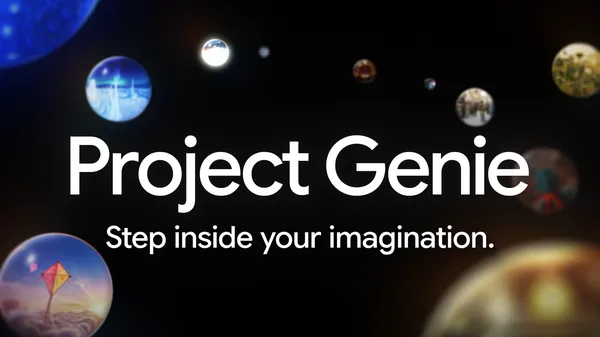
Google rolled out Genie 4 to AI Ultra subscribers, featuring real-time natural language environment editing, native adaptive audio, and interactive world generation.
Codex v0.170.0 adds WebRTC negotiation, allowing users to conduct realtime voice calls directly in the terminal user interface.

 MetaAvailable
Meta has launched its personal AI agent, Muse, in Australia with local app connectors, real-time voice capabilities, and custom spaces.
GoogleAvailableGoogle added voice-driven editing, rewriting, and formatting to gemini-3.5-transcribe and gemini-3.5-transcribe-live, letting users modify dictated speech or existing text by voice.
 GoogleAvailable
Google is rolling out 66 regional voices on Android and iOS, adding localized accents and speech patterns to Gemini voice interactions.
 GoogleAvailable
U.S. Gemini app users can now connect Google Wallet to get personal finance insights, visualize spending habits, and track recurring subscriptions.
ChatGPT Wallet is a secure payment method that lets agents in ChatGPT Work, Codex, and dots complete purchases with your approval.
 MetaAvailable
Meta is rolling out real-time voice conversations for Muse in Canada on mobile, web, and Mac. Users can talk through ideas out loud instead of typing prompts.
Codex 0.168.0 lets you attach audio recordings when using audio-capable models. It skips confirmed rejected clips on later turns and uses clip duration to keep more short recordings in context.