OpenAIAvailable
Model
OpenAI GPT-Live-1.1 voice model
OpenAI released GPT-Live-1.1 on its API, updating its live voice model with better pronunciation, accent consistency, and transcription across multilingual conversations.
Loading launches from 4 labs
Topic
Generating or editing images and video
OpenAI released GPT-Live-1.1 on its API, updating its live voice model with better pronunciation, accent consistency, and transcription across multilingual conversations.
 GoogleAvailable
Google's new Gemini 4 model pairs a 1M-token context window and four thinking levels with lower cost per task. It scores 61 on the AA Intelligence Index and targets complex coding, analysis, and cyber workflows.
 GoogleAvailable
A new community gallery lets users publish, explore, and remix custom interactive worlds created in Project Genie.
GoogleAvailableGoogle has updated the Genie 3 world model with 3-minute sessions, world chaining, 360-degree panorama grounding, and real-time promptable events.
GoogleAvailableGoogle rolled out Genie 4 to AI Ultra subscribers, featuring real-time natural language environment editing, native adaptive audio, and interactive world generation.
OpenAI introduced GPT-6 Astra, which optimized circuits used in Jalapeño silicon and improved RISC-V core designs.
OpenAI released GPT-6.2 Astra for complex reasoning and GPT-6.2 Sol for everyday coding, both supporting the Responses and Chat Completions APIs.

An efficient and versatile model for everyday work and multistep agentic workflows, available now in ChatGPT Work, Codex, and the API.
OpenAI expanded its ChatGPT for Academic Researchers program to give 200,000 researchers worldwide free access to its frontier models.
OpenAI released the omni-moderation-csam-latest model to let approved organizations detect and prioritize potential CSAM and AI-generated CSAM images at no cost.
OpenAI Codex 0.168.0 adds an opt-in feature flag to generate and edit animated GIFs with frame count and timing controls, expanding its image generation beyond static images.
 GoogleAvailable
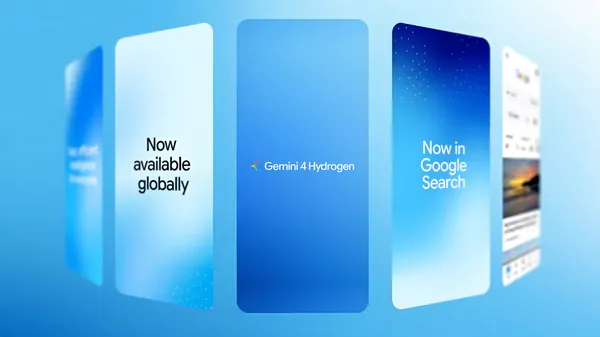
Google has integrated its Gemini 4 Hydrogen model into Google Search globally, improving intent understanding, query fan-out for better web linking, visual responses, and multilingual support.
Anthropic's new default model for Pro, Max, Ultra, and Team plans, built for daily knowledge work like research, analysis, and finished files. It matches Opus 5's high-effort performance at its default Medium effort.
 GoogleAvailable
Google introduced the Gemini Decisions API powered by the Gemini Decision 1 model, enabling developers to evaluate up to 1,000 yes/no, choice, and rubric-scoring questions in a single multimodal pass.
 GoogleAvailable
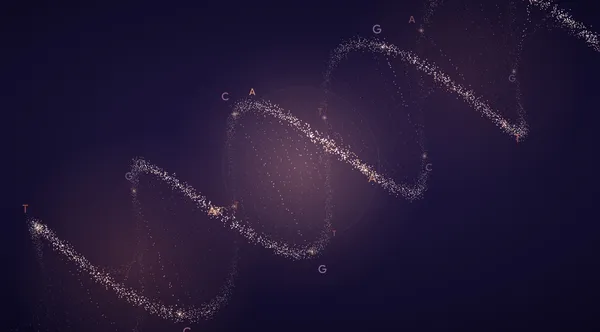
Google DeepMind launched AlphaGenome 2, a model that predicts how genetic variants disrupt individual cell types instead of whole tissues.
 GooglePreview
Google is previewing /swarm in Google Antigravity, which turns one prompt into a coordinated team of AI agents for complex tasks like architectural design, coding, and auditing, with real-time tracking.
Fast mode delivers up to 2.5x higher output tokens per second for Claude Fable 5.2 on the Claude API when requested via the speed parameter, at higher per-token pricing.
Anthropic launched Claude Fable 5.2 and Mythos 5.2 with 1M token context, 128k max output, and always-on adaptive thinking. Fable 5.2 for reasoning agents; Mythos 5.2 for verified orgs. Pricing: $8/MTok in, $40/MTok out.
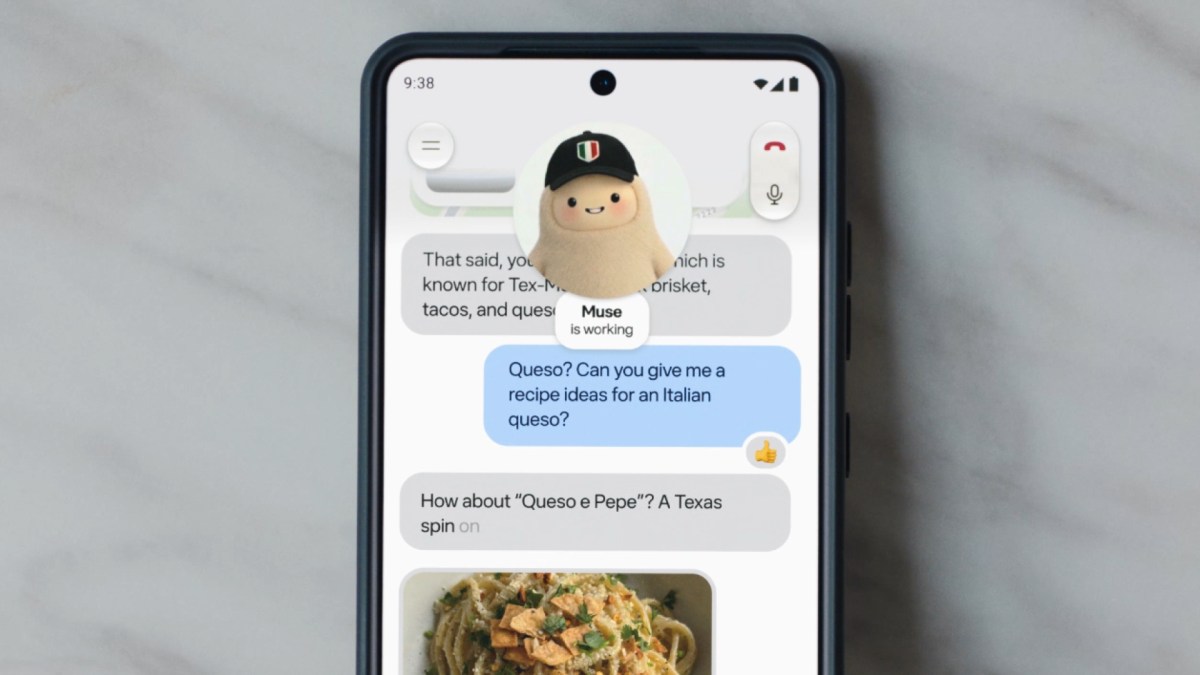
 MetaAvailable
Meta rolls out real-time voice conversations and expressive avatars in the Muse app on mobile, web, and Mac, with hundreds of voice styles and real-time visual reactions. Available now in the US.
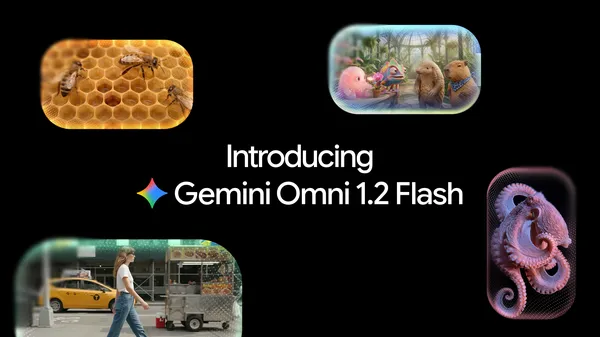 GoogleAvailable
Google's new video generation model creates 15-second clips with multi-turn editing, 30% lower pricing, and better reference adherence, now generally available via API and Cloud.
GoogleBetaGoogle released voice remixing for Gemini 3.8 TTS, allowing developers to modify existing voices using text prompts to create new stored voice IDs.

OpenAI launched two new image models, GPT-Image-2.6 Sunburst and Flare, supporting adjustable complexity, SVG and animated GIF output, plus markup-guided editing.
Anthropic now applies a text watermark to content generated by Claude 4.5 and 4.6 models on supported platforms when using default sampling parameters.
 GoogleAvailable
Google released EmbeddingGemma 2, a 740M-parameter open embedding model on the Gemma 4 architecture. It maps code, images, video, and audio into one unified space on edge devices for private, offline multimodal search.
GoogleAvailableGoogle is expanding SynthID Detector globally in English to help users verify whether images, videos, or audio clips were generated by AI.
OpenAI's GPT-6.2 Astra is a frontier model built for professional work and scientific research, available in ChatGPT Work, Codex, and the API.
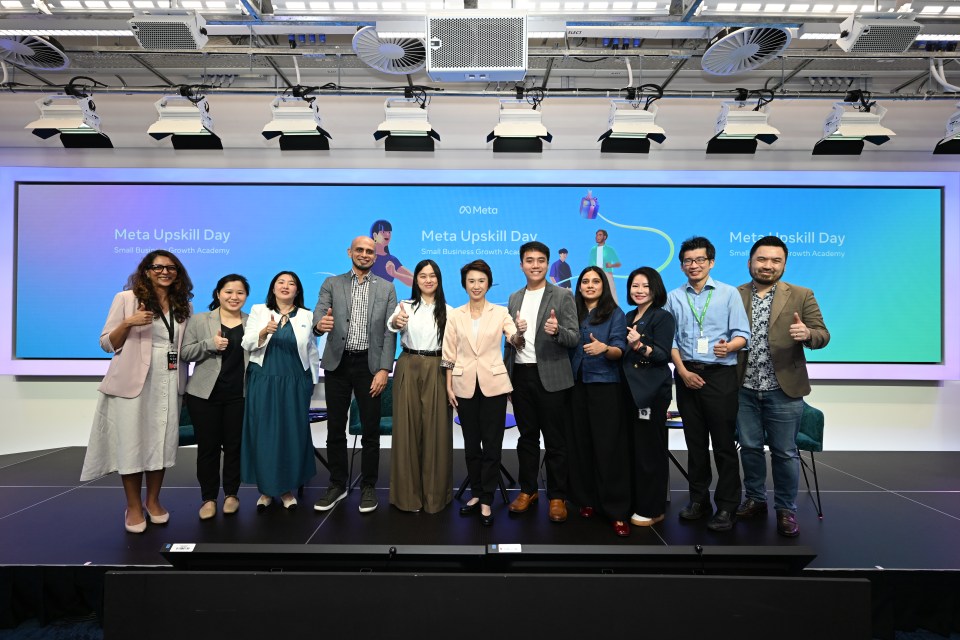 MetaAvailable
Dream Render is an AI web app that turns product descriptions or still photos into editable video drafts in minutes.
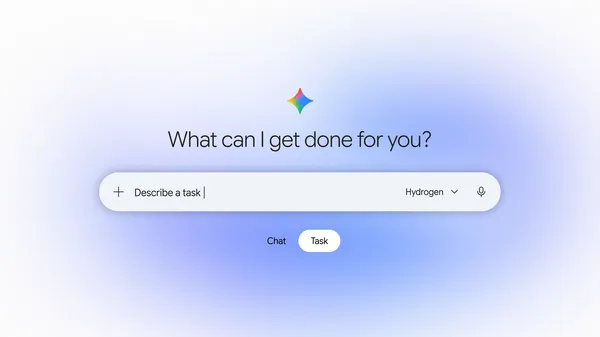 GoogleAvailable
Google's new Gemini 4 Hydrogen model features a 1M-token unified context window, four thinking levels, and long decode for agentic workflows.

OpenAI's GPT-6 Cyber model investigates vulnerabilities, reproduces them in authorized test environments, and verifies fixes. It is trained to stay within authorized scope.
GoogleAvailableGoogle is deprecating Gemini 2.5 Flash. Starting December 1, 2026, all API requests will auto-route to Gemini 3.5 Flash-Lite and be billed at its rates.