OpenAIAvailable
API
OpenAI adds standby mode for GPT-Live WebRTC sessions
OpenAI now supports standby configuration for GPT-Live WebRTC sessions, pausing model inference during inactivity and resuming when someone speaks.
Loading launches from 4 labs
Topic
Speech in or out, transcription, music and sound
OpenAI now supports standby configuration for GPT-Live WebRTC sessions, pausing model inference during inactivity and resuming when someone speaks.
OpenAI released GPT-Live-1.1 on its API, updating its live voice model with better pronunciation, accent consistency, and transcription across multilingual conversations.

 GooglePreview
Gemini's Interactions API now supports on-demand loading of tool parameter schemas. Agents with large tool libraries can keep schemas out of context until needed, cutting input tokens, latency, and selection errors.
 GoogleAvailable
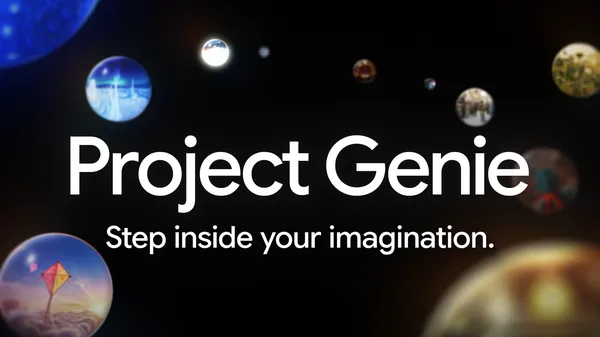
Google rolled out Genie 4 to AI Ultra subscribers, featuring real-time natural language environment editing, native adaptive audio, and interactive world generation.
Codex v0.170.0 adds WebRTC negotiation, allowing users to conduct realtime voice calls directly in the terminal user interface.
OpenAI released GPT-6.2 Astra for complex reasoning and GPT-6.2 Sol for everyday coding, both supporting the Responses and Chat Completions APIs.

An efficient and versatile model for everyday work and multistep agentic workflows, available now in ChatGPT Work, Codex, and the API.
OpenAI released the omni-moderation-csam-latest model to let approved organizations detect and prioritize potential CSAM and AI-generated CSAM images at no cost.
 GoogleAvailable
Google is rolling out 66 regional voices on Android and iOS, adding localized accents and speech patterns to Gemini voice interactions.
Codex 0.168.0 lets you attach audio recordings when using audio-capable models. It skips confirmed rejected clips on later turns and uses clip duration to keep more short recordings in context.
 GoogleAvailable
Google introduced the Gemini Decisions API powered by the Gemini Decision 1 model, enabling developers to evaluate up to 1,000 yes/no, choice, and rubric-scoring questions in a single multimodal pass.
 GoogleAvailable
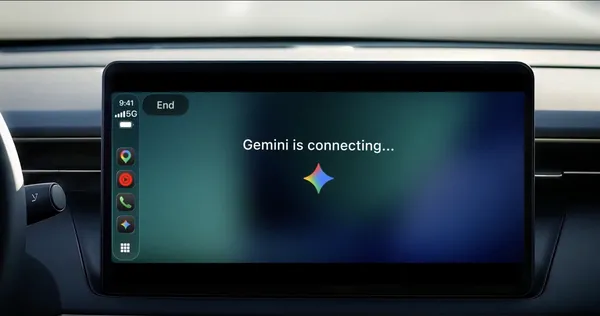
Google is bringing the Gemini app with Gemini Live to Apple CarPlay, enabling hands-free natural conversations, calendar management, and email summaries while driving.
 GoogleAvailable
Gemini can now control, change, or fix device settings and storage by voice. Rolling out on Pixel 10 series and Motorola Signature 27.
GoogleAvailableGoogle rolls out Gemini Intelligence to motorola signature 27 (U.S. pre-order Nov 19) and Pixel 10 series via Pixel Drop, adding Rambler voice-to-text and task automation in UK, India, Japan.
Fast mode delivers up to 2.5x higher output tokens per second for Claude Fable 5.2 on the Claude API when requested via the speed parameter, at higher per-token pricing.
Anthropic launched Claude Fable 5.2 and Mythos 5.2 with 1M token context, 128k max output, and always-on adaptive thinking. Fable 5.2 for reasoning agents; Mythos 5.2 for verified orgs. Pricing: $8/MTok in, $40/MTok out.
New CLI command identifies latency bottlenecks in Claude API code and tests faster configurations against your evals.
GoogleAvailableGoogle deprecated gemini-embedding-2-preview; API calls now automatically route to gemini-embedding-2 with same schema and pricing, no re-indexing needed.
 MetaAvailable
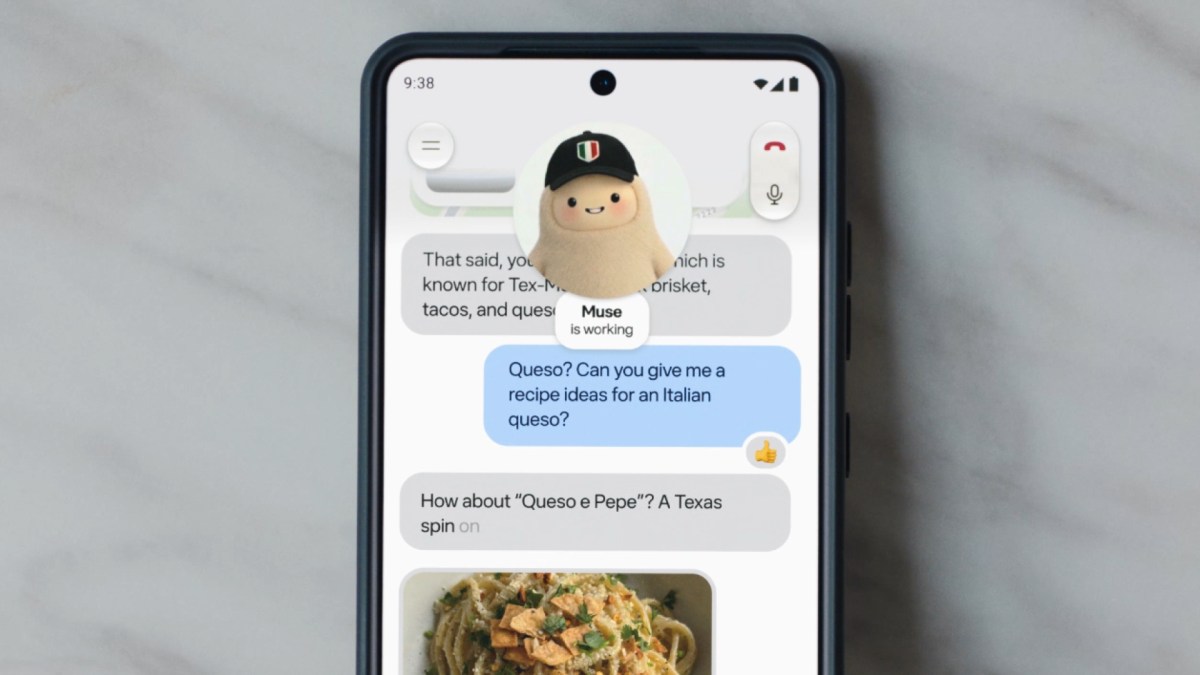
Meta rolls out real-time voice conversations and expressive avatars in the Muse app on mobile, web, and Mac, with hundreds of voice styles and real-time visual reactions. Available now in the US.
GoogleAvailableGemini API function responses now support Office/OpenDocument files, audio, video, and file URIs, letting tools return richer data to the model.
GoogleBetaGoogle released voice remixing for Gemini 3.8 TTS, allowing developers to modify existing voices using text prompts to create new stored voice IDs.

OpenAI launched two new image models, GPT-Image-2.6 Sunburst and Flare, supporting adjustable complexity, SVG and animated GIF output, plus markup-guided editing.
 GoogleAvailable
Google is expanding SynthID Detector globally in English to help users verify whether images, videos, or audio clips were generated by AI.
GoogleAvailableGoogle is deprecating Gemini 2.5 Flash. Starting December 1, 2026, all API requests will auto-route to Gemini 3.5 Flash-Lite and be billed at its rates.
Anthropic added managed.policy_mode: layered to the Claude apps gateway. Every policy matching a developer now applies and merges over the ones below it, instead of only the first matching policy.
Anthropic added pooled group budgets to the Claude apps gateway. Groups can now share a single monthly budget on top of each member's individual limit.
GoogleAvailableGoogle has moved its Computer Use tool to general availability across both the Interactions and GenerateContent APIs.
OpenAI introduced automatic review for Agents API sessions. Developers can allow a model to evaluate conversation intent and risk to automatically approve or deny tool and permission requests.
Anthropic added the GET /v1/organizations/analytics/cost endpoint to the Claude apps gateway admin API, enabling organization admins to track spend by developer, day, or IdP group.
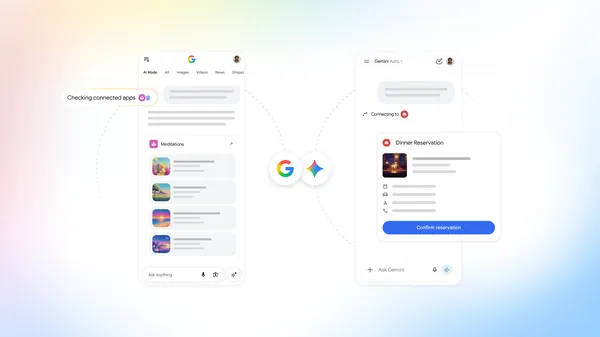 GooglePreview
Google's Connected Apps Platform lets developers build and manage apps for Search and the Gemini app using a cloud-hosted MCP server or Android MCP.
ChatGPT Pro and Business subscribers can now claim up to $500 per month in OpenAI API credits. This allows paid subscribers to build and test API applications using their existing plan.
 GooglePreview
Genie 4 is a real-time world model that generates interactive simulations with native audio and physics. It helps build safe training environments for AI agents and robots.
GoogleBetaGoogle released gemini-api, a stateless, zero-dependency command-line client for the Gemini API. It lets scripts, CI pipelines, and coding agents call Gemini without SDK setup.
GoogleAvailableNew paid-tier Google Gemini API projects now store Generate Content API requests by default. Developers who do not want requests logged must opt out per request or in the dashboard.
OpenAI released GPT-6.1 Terra, a fast, efficient model built for visual reasoning, computer use, and natural writing. It is available through the OpenAI API.
OpenAI's GPT-6.2 Astra is a frontier model built for professional work and scientific research, available in ChatGPT Work, Codex, and the API.
 MetaAvailable
Meta has launched its personal AI agent, Muse, in Australia with local app connectors, real-time voice capabilities, and custom spaces.
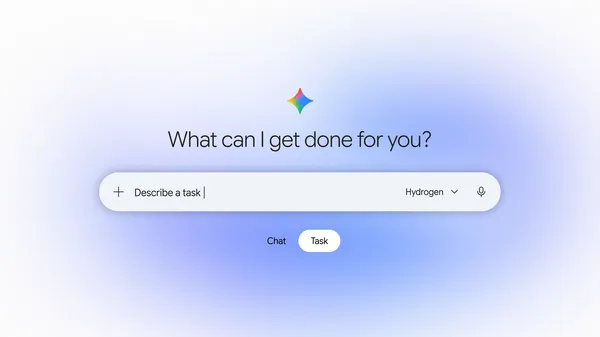 GooglePreview
Developers can now apply to join the Connected Apps Platform, which connects Gemini with over 60 popular applications.
GoogleAvailableGoogle added voice-driven editing, rewriting, and formatting to gemini-3.5-transcribe and gemini-3.5-transcribe-live, letting users modify dictated speech or existing text by voice.
OpenAI introduced two-hour and eight-hour background completion windows in the Responses API public beta with discounted token rates.
Linked billing lets third-party platforms bill customers directly for Claude API usage through their own Claude organizations without sharing API keys.
 MetaAvailable
Meta is rolling out real-time voice conversations for Muse in Canada on mobile, web, and Mac. Users can talk through ideas out loud instead of typing prompts.
OpenAI Codex 0.167.2 now sends tool updates incrementally by default when using Google Cloud Vertex AI. Users can opt out of this behavior in their configuration file.

OpenAI's GPT-6 Cyber model investigates vulnerabilities, reproduces them in authorized test environments, and verifies fixes. It is trained to stay within authorized scope.
Admins can now sign out any member of their Claude Enterprise organization from all sessions via the Admin API in beta. The member remains in the organization and can sign back in.
Organizations can now create IP allowlists in the Claude Console to limit API requests to specific IPv4/IPv6 addresses or CIDR ranges, reducing risk from leaked keys.
Anthropic's Compliance API now includes a Security posture endpoint in beta for Claude Enterprise orgs, letting admins fetch current security posture results.
GoogleAvailableThe Gemini API now accepts PowerPoint (PPT), OpenDocument Presentation (ODP), and OpenDocument Spreadsheet (ODS) files as input, plus page-image processing for Word (DOC) files.
GoogleAvailableGoogle has deprecated Gemini 2.5 Pro and removed it from Google AI Studio. Starting December 1, 2026, all API requests will automatically route to Gemini 3.8 Flash and be billed at Flash rates.
OpenAI now supports outbound SIP calling across all organizations in the Live API, enabling GPT-Live to place calls directly to phone numbers via SIP providers.
Anthropic added message threads in beta to the Messages API, storing conversation history on the server. Subsequent requests only send new messages, reducing request size and time to first token.

OpenAI updated its Agents API with the ability to modify tools in active sessions, background context compaction by default, and opt-in time awareness.
Anthropic has deprecated fast mode for Claude Opus 4.8, with full removal on November 30, 2026. Users must switch to Claude Opus 5.5 to keep using fast mode.
Anthropic raised the maximum request size for the Messages API and Token Counting API from 32 MB to 128 MB on the first-party Claude API, allowing larger payloads in a single call.