
Meta Forum app for Facebook Groups
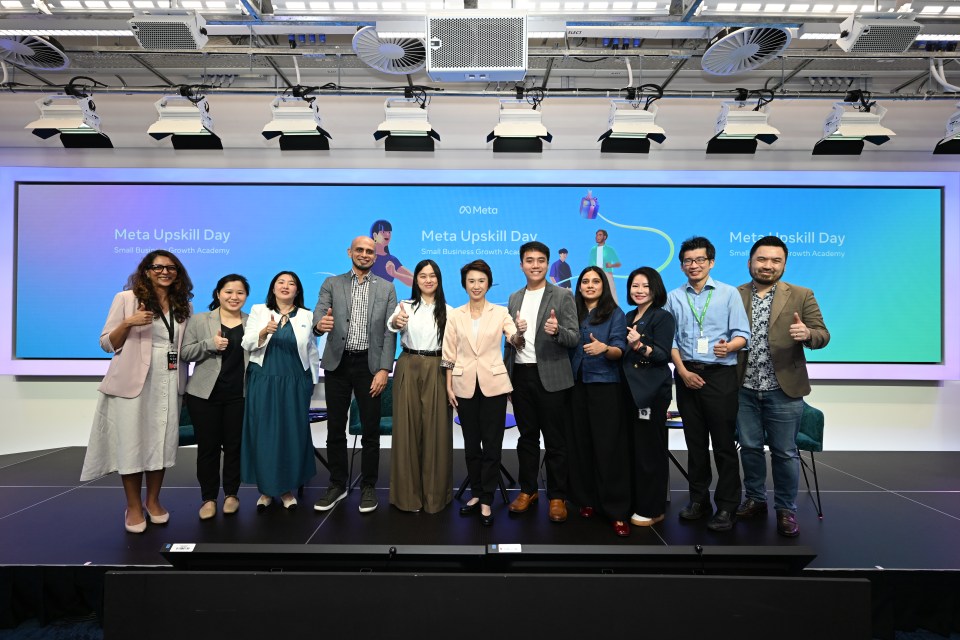
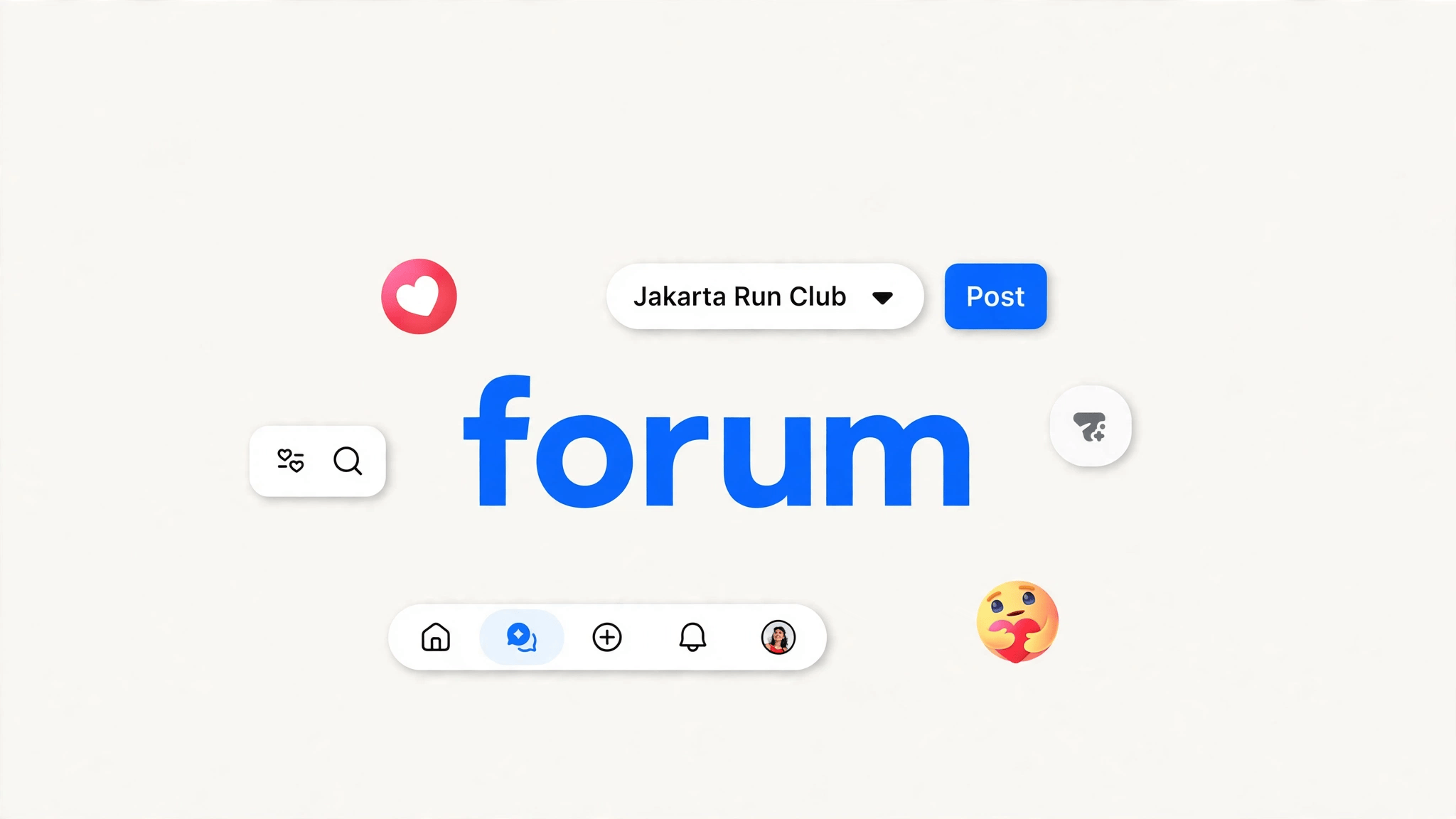
Meta launched Forum, a standalone Android app for Facebook Groups in Indonesia. It separates group discussions from the main Facebook app and adds AI-powered search, feed controls, and admin tools.
Loading launches from 4 labs

Meta launched Forum, a standalone Android app for Facebook Groups in Indonesia. It separates group discussions from the main Facebook app and adds AI-powered search, feed controls, and admin tools.
Google's gemini-cli v0.69.0 adds support for a standalone theme.json configuration file. Users can now define custom themes in a dedicated file.
Google added a /stats heatmap subcommand to Gemini CLI v0.69.0 to track daily token usage. It lets developers monitor their token consumption directly from the command line.

Google's new Gemini 4 model pairs a 1M-token context window and four thinking levels with lower cost per task. It scores 61 on the AA Intelligence Index and targets complex coding, analysis, and cyber workflows.
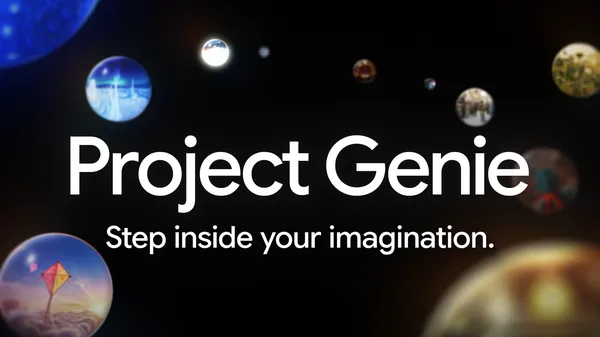
A new community gallery lets users publish, explore, and remix custom interactive worlds created in Project Genie.

Google DeepMind's AlphaGenome evaluates 1 million base pair DNA sequences to make thousands of predictions, helping scientists identify disease-causing genetic changes.

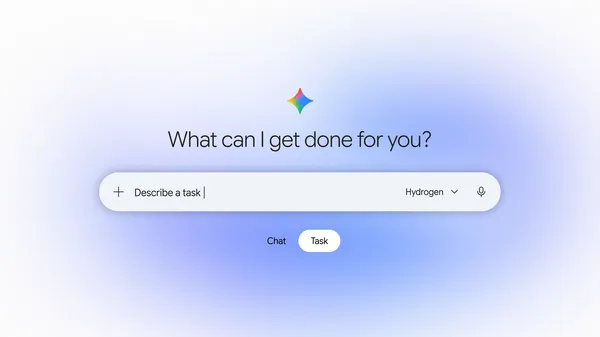
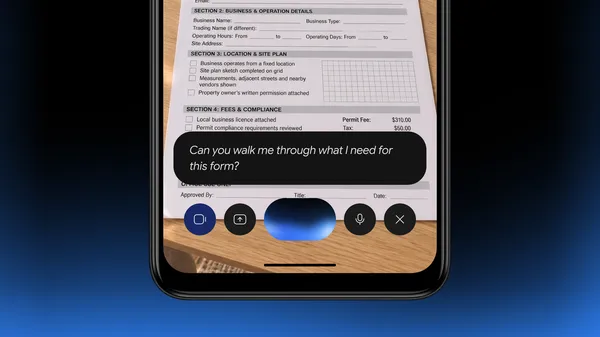
Gemini can now handle complex tasks like scheduling appointments, analyzing bills, and shopping by connecting to your Google apps and payment methods.
OpenAI expanded its ChatGPT for Academic Researchers program to give 200,000 researchers worldwide free access to its frontier models.

Users can now search their saved lists using Ask Maps to find local spots with immediate availability for visitors.

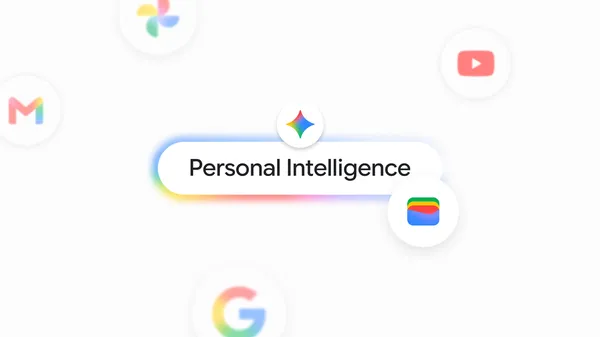
Google added Memory Summary to Personal Intelligence in Gemini. It gives users a single place to view, edit, or remove the saved preferences, interests, and ongoing goals Gemini uses to tailor responses.

U.S. Gemini app users can now connect Google Wallet to get personal finance insights, visualize spending habits, and track recurring subscriptions.

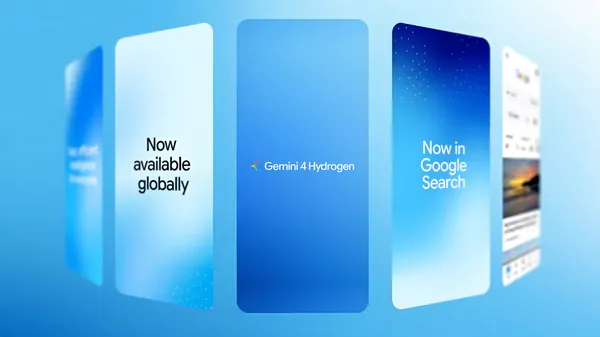
Google has integrated its Gemini 4 Hydrogen model into Google Search globally, improving intent understanding, query fan-out for better web linking, visual responses, and multilingual support.
Anthropic's new default model for Pro, Max, Ultra, and Team plans, built for daily knowledge work like research, analysis, and finished files. It matches Opus 5's high-effort performance at its default Medium effort.

Google introduced the Gemini Decisions API powered by the Gemini Decision 1 model, enabling developers to evaluate up to 1,000 yes/no, choice, and rubric-scoring questions in a single multimodal pass.

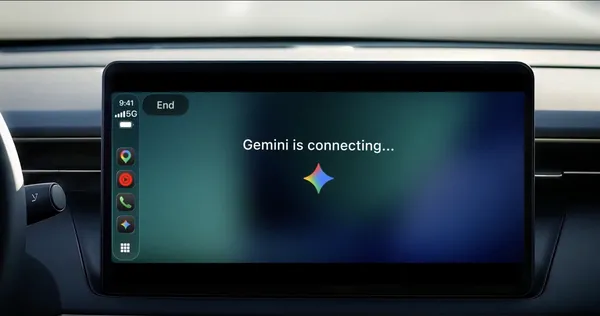
Google is bringing the Gemini app with Gemini Live to Apple CarPlay, enabling hands-free natural conversations, calendar management, and email summaries while driving.
Gemini CLI v0.68.0 introduces a new extension validation command with evaluation tests to help developers verify their extensions work correctly.

Gemini can now control, change, or fix device settings and storage by voice. Rolling out on Pixel 10 series and Motorola Signature 27.
OpenAI Supply Co. releases a retro handheld console with a Codex plugin for designing, animating, and playtesting games directly on the device.
Claude Code's remote-control command now accepts a --settings file flag that applies configuration to every session it starts. Changes to the file require a restart to take effect.

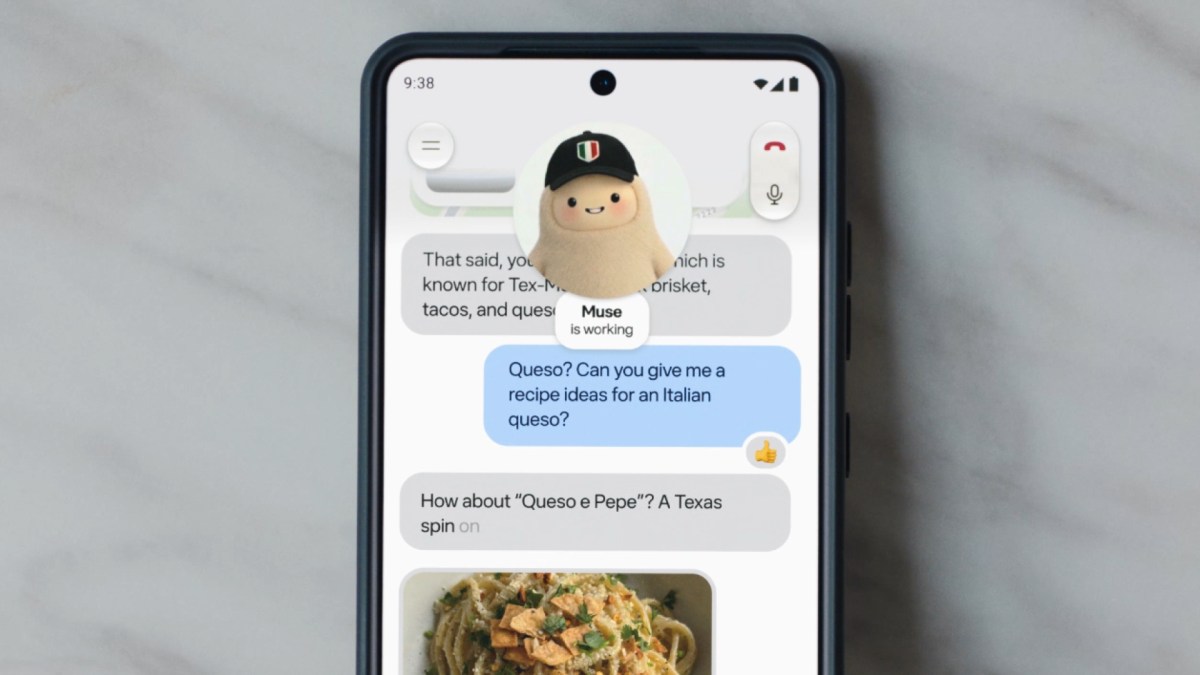
Meta added Spaces to its Muse app, letting users build custom interactive tools like trackers, games, and planning boards from a text description. Connected apps keep spaces updated automatically in the background.
New CLI command identifies latency bottlenecks in Claude API code and tests faster configurations against your evals.
Meta rolls out real-time voice conversations and expressive avatars in the Muse app on mobile, web, and Mac, with hundreds of voice styles and real-time visual reactions. Available now in the US.
Gemini API function responses now support Office/OpenDocument files, audio, video, and file URIs, letting tools return richer data to the model.

OpenAI launched two new image models, GPT-Image-2.6 Sunburst and Flare, supporting adjustable complexity, SVG and animated GIF output, plus markup-guided editing.
Gemini CLI v0.67.0 adds support for bridging the IDE companion into container sandboxes over exec stdio, connecting sandboxed CLI sessions with the IDE companion.
Anthropic now applies a text watermark to content generated by Claude 4.5 and 4.6 models on supported platforms when using default sampling parameters.

Google's strongest frontier reasoning model for cybersecurity, long-horizon coding, and scientific research. It leads key vulnerability and coding benchmarks with a 1M-token unified context window.

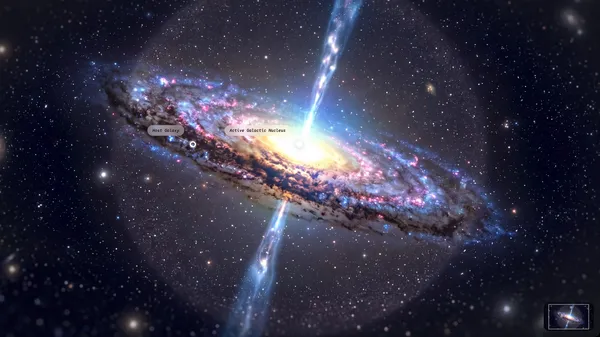
Google launched visual, interactive explorations in the Gemini app for studying complex science and history topics layer-by-layer.

Google announced Gemini 4 Argon, a new AI model featuring advanced reasoning, coding, and multimodal performance for complex long-horizon workflows.
New paid-tier Google Gemini API projects now store Generate Content API requests by default. Developers who do not want requests logged must opt out per request or in the dashboard.
Google has updated the Genie 3 world model with 3-minute sessions, world chaining, 360-degree panorama grounding, and real-time promptable events.
Google rolled out Genie 4 to AI Ultra subscribers, featuring real-time natural language environment editing, native adaptive audio, and interactive world generation.

Google's Gemini app is now available on eligible Android (Go edition) and lower-memory devices, bringing features like Gemini Live and custom image creation.

Loblaw is integrated as the first Canadian retail partner connector for Muse, enabling Canadian shoppers to plan meals, build baskets, and check out.
Codex now automatically refreshes authentication headers for OpenTelemetry HTTP exporters, ensuring continuous telemetry without token expiration issues.
Codex v0.170.0 adds WebRTC negotiation, allowing users to conduct realtime voice calls directly in the terminal user interface.
OpenAI released GPT-6.2 Astra for complex reasoning and GPT-6.2 Sol for everyday coding, both supporting the Responses and Chat Completions APIs.

An efficient and versatile model for everyday work and multistep agentic workflows, available now in ChatGPT Work, Codex, and the API.

OpenAI's GPT-6.2 Astra is a frontier model built for professional work and scientific research, available in ChatGPT Work, Codex, and the API.

Google DeepMind introduced AlphaGenome Atlas, a dataset predicting outcomes of 9 billion single-letter DNA changes to help researchers prioritize variants using an impact score.

Meta has launched its personal AI agent, Muse, in Australia with local app connectors, real-time voice capabilities, and custom spaces.

OpenAI introduced a new Sales plugin and over 30 partner plugins in ChatGPT to research prospects, prepare pitches, and update CRMs.
Google added voice-driven editing, rewriting, and formatting to gemini-3.5-transcribe and gemini-3.5-transcribe-live, letting users modify dictated speech or existing text by voice.
Gemini can now place phone calls to US businesses on your behalf to check inventory, compare quotes, or handle scheduling.
Users in the U.S. can forward emails and PDFs to gemini@google.com to kick off Gemini tasks, sort schedules, and process documents directly from any email client.
US users can now text Gemini via Google Messages or iMessage to manage tasks, send photos, and steer multi-step runs on the go.
Claude Code now accepts MCP server JSON from standard input using `claude mcp add-json <name> -`. This keeps sensitive tokens off the command line.

Meta is rolling out real-time voice conversations for Muse in Canada on mobile, web, and Mac. Users can talk through ideas out loud instead of typing prompts.
Claude Desktop now lets users choose between Stable and Latest release channels to control update frequency.

New agentic capabilities allow Ask Maps to find open slots and call local businesses for appointments like beauty, pet care, and home repair.

Google Maps is rolling out new Ask Maps features for building custom road trip itineraries, getting real-time route tips, and finding open appointments.
OpenAI released the omni-moderation-csam-latest model to let approved organizations detect and prioritize potential CSAM and AI-generated CSAM images at no cost.

Google is rolling out 66 regional voices on Android and iOS, adding localized accents and speech patterns to Gemini voice interactions.

Dream Render is an AI web app that turns product descriptions or still photos into editable video drafts in minutes.
Codex 0.169.0 introduces an opt-in Cloud connection to the terminal on macOS and Linux. Users can send images, select models and reasoning effort, and archive or restore Cloud conversations directly from the terminal.
OpenAI's Codex terminal workspace now lets users search through older agent tasks by name, prompt preview, or working directory.
Codex 0.169.0 lets users add or edit custom model providers from the terminal, create providers during sign-in, and use device codes for gateways.
Codex 0.168.0 lets you attach audio recordings when using audio-capable models. It skips confirmed rejected clips on later turns and uses clip duration to keep more short recordings in context.
OpenAI Codex now allows users to browse model providers under Sessions and select a default provider for new chats.
OpenAI Codex 0.168.0 adds an opt-in feature flag to generate and edit animated GIFs with frame count and timing controls, expanding its image generation beyond static images.

Google's new Gemini 4 Hydrogen model features a 1M-token unified context window, four thinking levels, and long decode for agentic workflows.

A feature in Google Antigravity that automatically alternates between models like Carbon and Hydrogen within a single session to save tokens and time.

Google added Gemini to the Chrome side panel so users can get quick answers on any website. It summarizes articles, compares products, and explains complex topics directly in the browser.

Google DeepMind launched AlphaGenome 2, a model that predicts how genetic variants disrupt individual cell types instead of whole tissues.
OpenAI Codex 0.167.2 now sends tool updates incrementally by default when using Google Cloud Vertex AI. Users can opt out of this behavior in their configuration file.

Google rolls out Gemini Intelligence to motorola signature 27 (U.S. pre-order Nov 19) and Pixel 10 series via Pixel Drop, adding Rambler voice-to-text and task automation in UK, India, Japan.

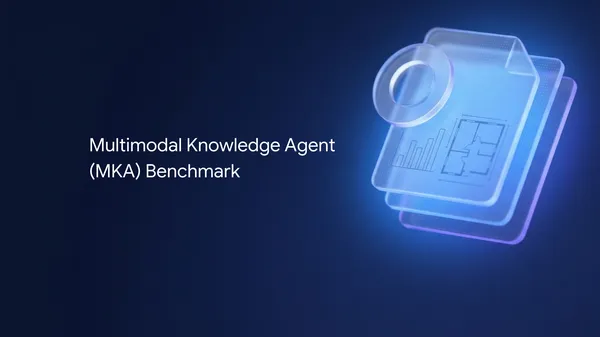
Google and Artificial Analysis released MKA, a benchmark evaluating how AI agents perform multi-step, visually complex tasks across 10 professional verticals.
Anthropic added fast mode support for Claude on Vertex AI across global, US, and EU regions, with automatic fallback to standard speed if fast mode is refused.
Anthropic's Claude Dashboards is now generally available as Claude Data, letting teams query connected data sources, build dashboards, and share certified metrics, data stories, and live numbers.
Anthropic adds collaborative spreadsheets, whiteboards, and data dashboards as new artifact types in Claude, plus interactive connectors that embed partner apps directly in the chat.
ChatGPT Enterprise can now be purchased via AWS Marketplace, letting organizations use existing AWS billing relationships.
Fast mode delivers up to 2.5x higher output tokens per second for Claude Fable 5.2 on the Claude API when requested via the speed parameter, at higher per-token pricing.
Anthropic launched Claude Fable 5.2 and Mythos 5.2 with 1M token context, 128k max output, and always-on adaptive thinking. Fable 5.2 for reasoning agents; Mythos 5.2 for verified orgs. Pricing: $8/MTok in, $40/MTok out.
A new `permissions.denyInsteadOfPrompting` setting automatically denies tool calls that would otherwise pause for permission prompts, letting the turn continue without interruption.
Claude Code now backgrounds MCP tool calls immediately and reports results when they finish, with an option to disable this behavior.
Google deprecated gemini-embedding-2-preview; API calls now automatically route to gemini-embedding-2 with same schema and pricing, no re-indexing needed.
Claude Code now lets you name a session's billing group using the attributionProject setting. This helps organizations using Claude apps gateways track usage by project.

Google's new video generation model creates 15-second clips with multi-turn editing, 30% lower pricing, and better reference adherence, now generally available via API and Cloud.

OpenAI's GPT-6 Cyber model investigates vulnerabilities, reproduces them in authorized test environments, and verifies fixes. It is trained to stay within authorized scope.
The Gemini API now accepts PowerPoint (PPT), OpenDocument Presentation (ODP), and OpenDocument Spreadsheet (ODS) files as input, plus page-image processing for Word (DOC) files.
Claude Code cloud sessions on Anthropic-hosted environments now include a No repository option. Users can start a hosted cloud session without selecting a repository first.

Meta's personal AI agent, Muse, is now available in Singapore on iOS, Android, and muse.ai, featuring local app connectors like Shopee and Grab.
ChatGPT Pro and Business subscribers can now claim up to $500 per month in OpenAI API credits. This allows paid subscribers to build and test API applications using their existing plan.
Anthropic raised the maximum request size for the Messages API and Token Counting API from 32 MB to 128 MB on the first-party Claude API, allowing larger payloads in a single call.
OpenAI released GPT-6.1 Terra, a fast, efficient model built for visual reasoning, computer use, and natural writing. It is available through the OpenAI API.

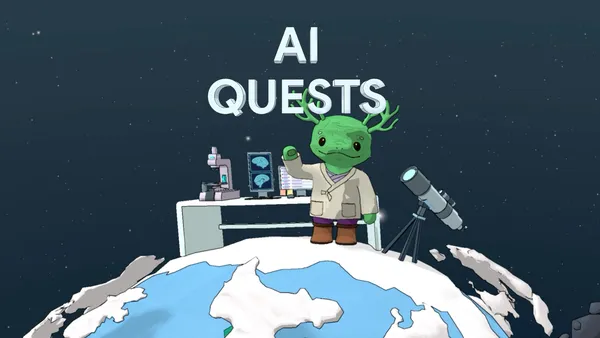
Google released teacher training modules in the Google AI Educator Series to support its AI Quests program. The modules help educators integrate AI literacy lessons into existing curricula and guide classroom discussion.

Google Research and the Stanford Accelerator for Learning launched Polar Peaks, an interactive AI quest for ages 11 to 14. Students learn AI literacy and human oversight by mapping brain neurons.