 GoogleAvailable
Model
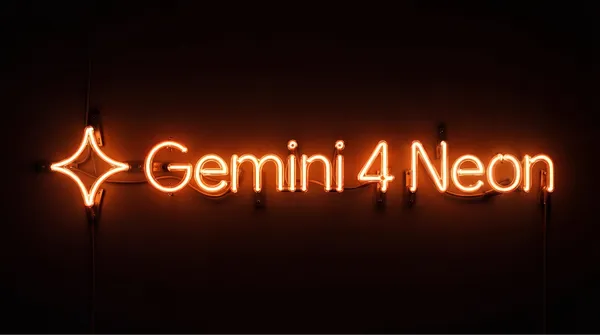
Gemini 4 Neon
Google's new Gemini 4 model pairs a 1M-token context window and four thinking levels with lower cost per task. It scores 61 on the AA Intelligence Index and targets complex coding, analysis, and cyber workflows.
Loading launches from 4 labs
Topic
Generating or editing images and video
GoogleAvailableGoogle's new Gemini 4 model pairs a 1M-token context window and four thinking levels with lower cost per task. It scores 61 on the AA Intelligence Index and targets complex coding, analysis, and cyber workflows.
 GoogleAvailable
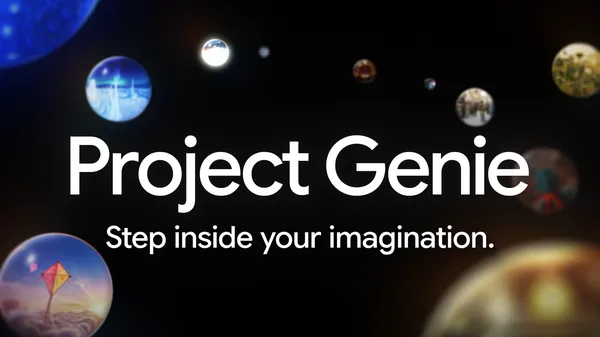
A new community gallery lets users publish, explore, and remix custom interactive worlds created in Project Genie.
GoogleAvailableGoogle has updated the Genie 3 world model with 3-minute sessions, world chaining, 360-degree panorama grounding, and real-time promptable events.
GoogleAvailableGoogle rolled out Genie 4 to AI Ultra subscribers, featuring real-time natural language environment editing, native adaptive audio, and interactive world generation.
 MetaAvailable
Dream Render is an AI web app that turns product descriptions or still photos into editable video drafts in minutes.
Codex 0.169.0 introduces an opt-in Cloud connection to the terminal on macOS and Linux. Users can send images, select models and reasoning effort, and archive or restore Cloud conversations directly from the terminal.
OpenAI Codex 0.168.0 adds an opt-in feature flag to generate and edit animated GIFs with frame count and timing controls, expanding its image generation beyond static images.
 GoogleAvailable
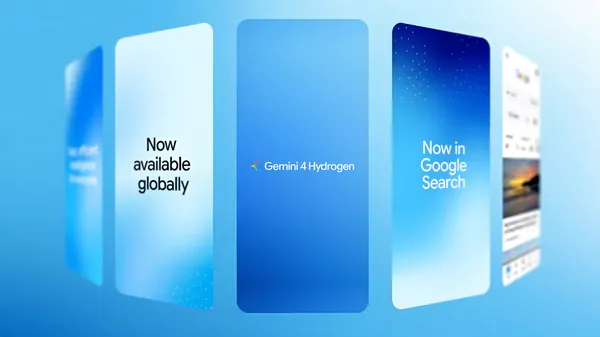
Google has integrated its Gemini 4 Hydrogen model into Google Search globally, improving intent understanding, query fan-out for better web linking, visual responses, and multilingual support.
Anthropic's new default model for Pro, Max, Ultra, and Team plans, built for daily knowledge work like research, analysis, and finished files. It matches Opus 5's high-effort performance at its default Medium effort.
 GoogleAvailable
Google introduced the Gemini Decisions API powered by the Gemini Decision 1 model, enabling developers to evaluate up to 1,000 yes/no, choice, and rubric-scoring questions in a single multimodal pass.
 GoogleOn request
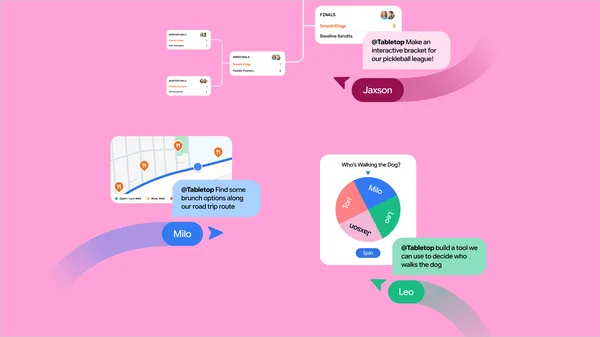
Tabletop is a Google Labs experiment for real-time group collaboration, allowing users to generate custom interactive itineraries, polls, and tools using AI prompts.
 GoogleAvailable
Google rolls out Gemini Intelligence to motorola signature 27 (U.S. pre-order Nov 19) and Pixel 10 series via Pixel Drop, adding Rambler voice-to-text and task automation in UK, India, Japan.
 GoogleAvailable
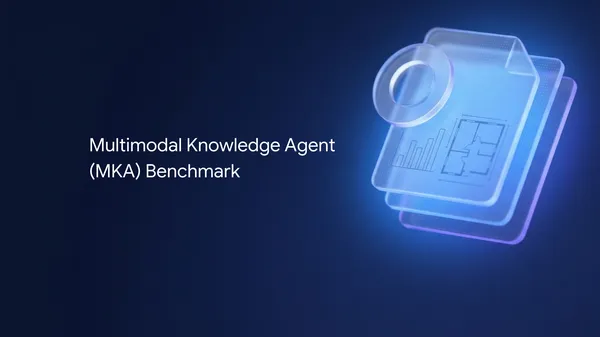
Google and Artificial Analysis released MKA, a benchmark evaluating how AI agents perform multi-step, visually complex tasks across 10 professional verticals.
 MetaAvailable
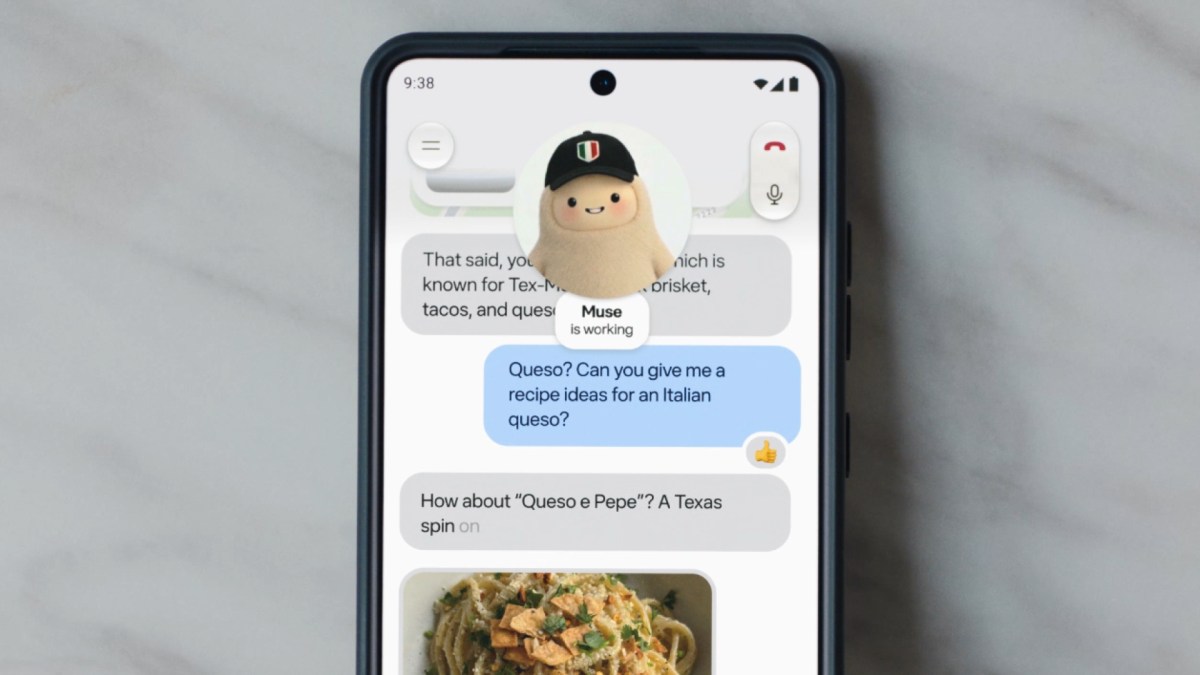
Meta rolls out real-time voice conversations and expressive avatars in the Muse app on mobile, web, and Mac, with hundreds of voice styles and real-time visual reactions. Available now in the US.
GoogleAvailableGemini API function responses now support Office/OpenDocument files, audio, video, and file URIs, letting tools return richer data to the model.

OpenAI launched two new image models, GPT-Image-2.6 Sunburst and Flare, supporting adjustable complexity, SVG and animated GIF output, plus markup-guided editing.
 GoogleAvailable
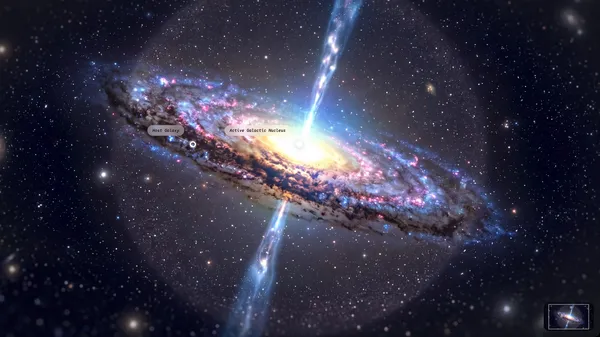
Google launched visual, interactive explorations in the Gemini app for studying complex science and history topics layer-by-layer.
 GoogleAnnounced
Google introduced Genie 4, a new world model focused on realism in real-time simulation. Specifics on access, benchmarks, and capabilities were not detailed in the snippet.
 GoogleAvailable
Google launched Gemini 4 Argon globally, a frontier reasoning model built for complex coding, financial analysis, legal tasks, and robotics.
OpenAI released GPT-6.1 Terra, a fast, efficient model built for visual reasoning, computer use, and natural writing. It is available through the OpenAI API.
 GoogleAvailable
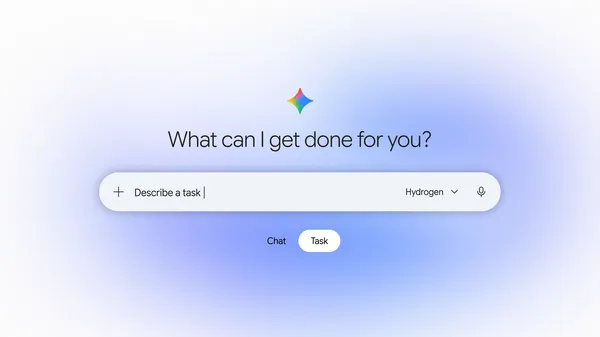
Google's new Gemini 4 Hydrogen model features a 1M-token unified context window, four thinking levels, and long decode for agentic workflows.
 GoogleAvailable
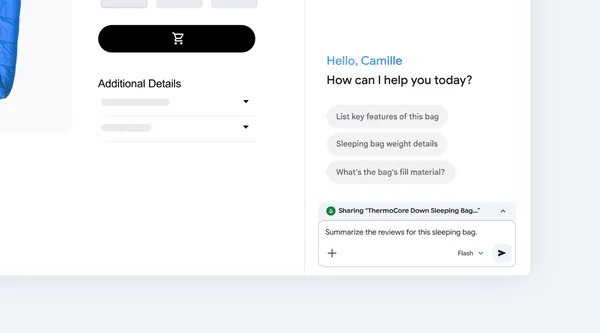
Google added Gemini to the Chrome side panel so users can get quick answers on any website. It summarizes articles, compares products, and explains complex topics directly in the browser.
 GoogleAvailable
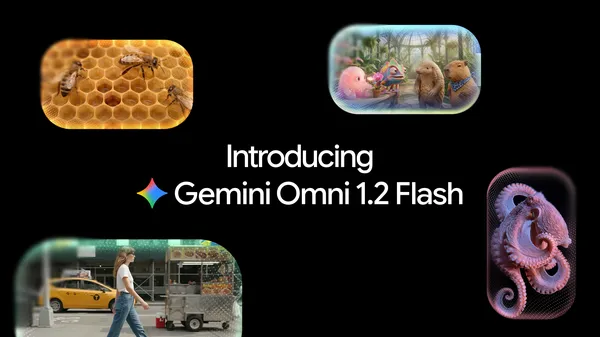
Google's new video generation model creates 15-second clips with multi-turn editing, 30% lower pricing, and better reference adherence, now generally available via API and Cloud.
GoogleAvailableThe Gemini API now accepts PowerPoint (PPT), OpenDocument Presentation (ODP), and OpenDocument Spreadsheet (ODS) files as input, plus page-image processing for Word (DOC) files.